
|
Images
|
Mfr.Part #
|
In Stock
|
Manufacturer
|
Description
|
Package
|
|---|---|---|---|---|---|
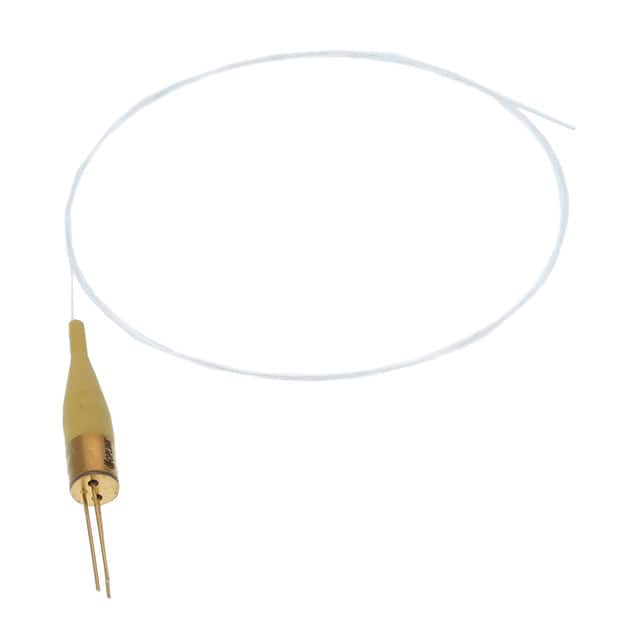
|
PIPD15502001111 | 5635 | Molex - Oplink Communications, LLC | FIBER PIGTAILED PD 1310+1550 DU | Bulk |
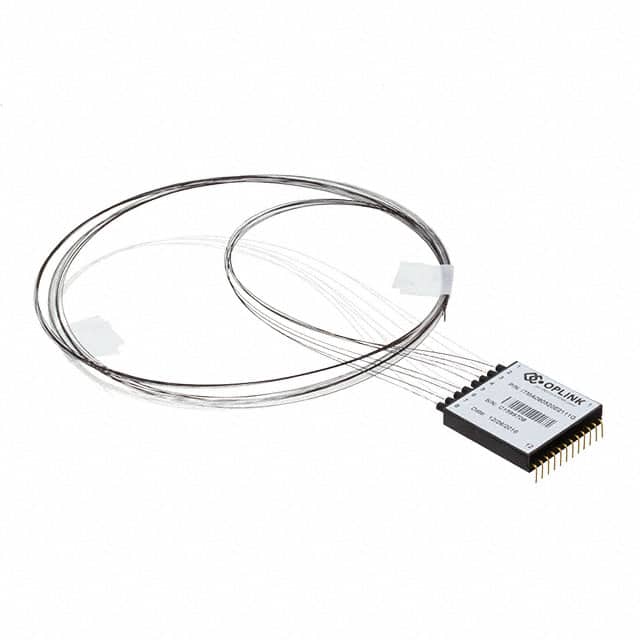
|
ITMA080520E2111G | 7376 | Molex - Oplink Communications, LLC | 8-CH 5% TAP MONITOR ARRAY, C+L B | Bulk |
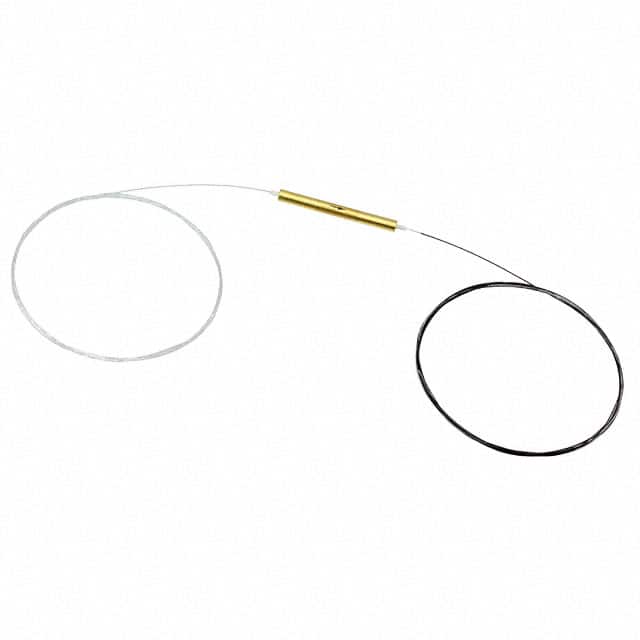
|
WDIH15980SF3011 | 1553 | Molex - Oplink Communications, LLC | MINIATURE 980/1550 WDM, ISOLATOR | Bulk |
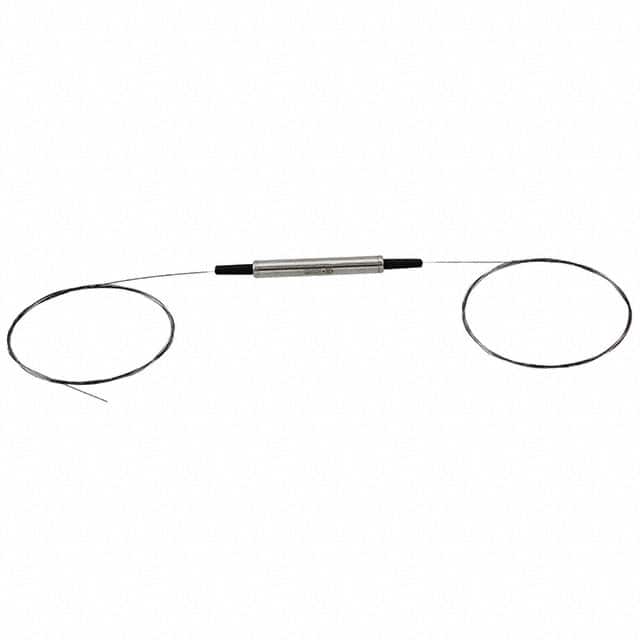
|
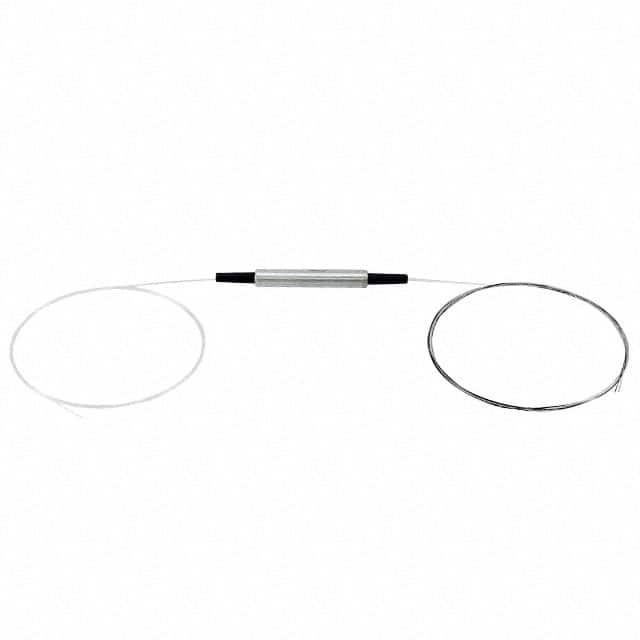
WTIH1598S012111 | 9323 | Molex - Oplink Communications, LLC | 980/1550 WDM, 1550 TAP COUPLER, | Bulk |
|
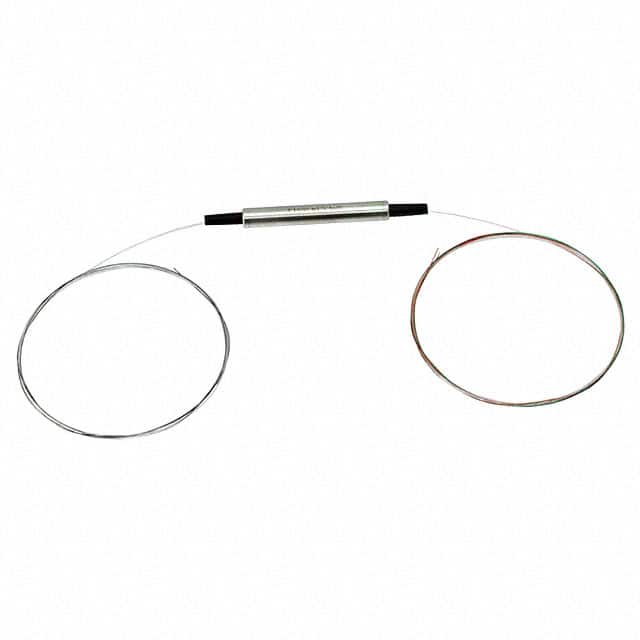
PMTC155010P1211 | 1286 | Molex - Oplink Communications, LLC | SINGLE MODE POLARIZATION MAINTAI | Bulk |
|
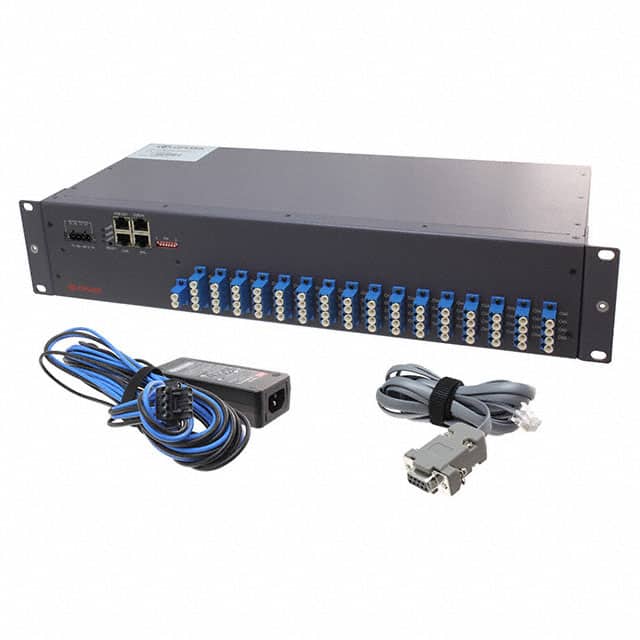
MIOCG5ECO041111 | 5055 | Molex - Oplink Communications, LLC | C BAND, 4-PORT, SINGLE MODE FIBE | Bulk |
|
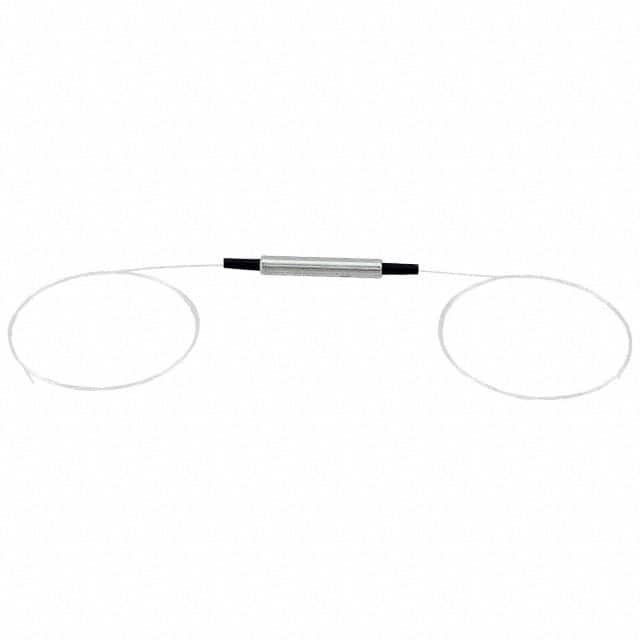
OFMS06400002315 | 5128 | Molex - Oplink Communications, LLC | 1X64 SWITCH CHASSIS, DC POWER SU | Bulk |
|
OIDSG1550S01111 | 4770 | Molex - Oplink Communications, LLC | SINGLE MODE, DUAL STAGE FIBER OP | Bulk |
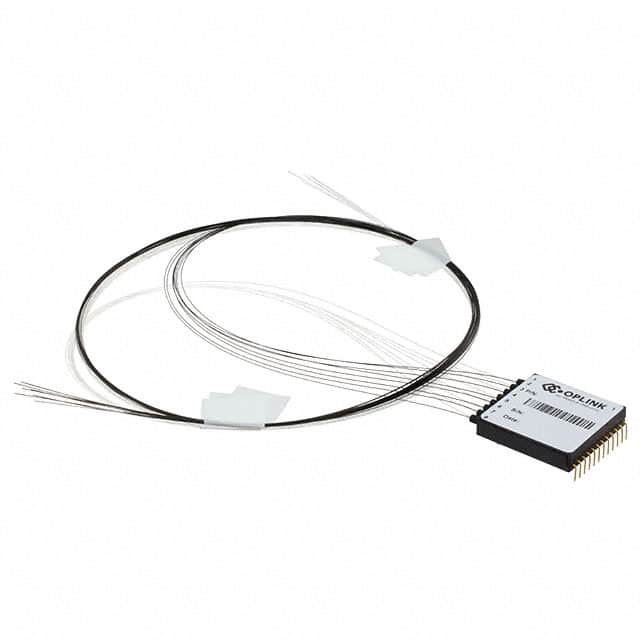
|
UTMA080520E2111G | 1699 | Molex - Oplink Communications, LLC | 8-CH 5% UNI-DIRECTIONAL TAP MONI | Bulk |
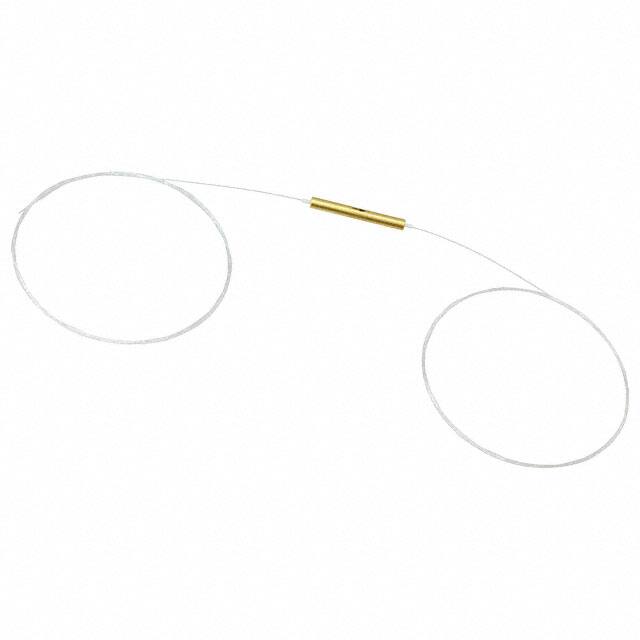
|
OIDS15500003111 | 5908 | Molex - Oplink Communications, LLC | MINIATURE SINGLE MODE, DUAL STAG | Bulk |

Fiber Optics – Switches, Multiplexers, Demultiplexers
As core components in optical fiber communication systems, optical fiber switches, multiplexers, and demultiplexers play a key role in optical signal routing, wavelength management, and system capacity expansion.
1. Core Component Functions
Optical fiber switches: Dynamically switch optical signals between multiple channels through electrical or optical control, supporting optical network reconstruction and redundant backup. Current mainstream technologies include integrated optical switches based on lithium niobate (LiNbO₃) waveguides and silicon-based reconfigurable photonic devices.
Multiplexers: Combine optical signals of different wavelengths into a single optical fiber for transmission, improving optical fiber utilization. Typical implementation methods include grating couplers and wavelength selection devices based on metasurfaces.
Demultiplexers: Separate specific wavelengths from composite signals to support parallel processing of optical signals. Its performance depends on the waveguide dispersion characteristics and grating design optimization.
2. Key Technology Progress
Integration and miniaturization: Silicon-based photonic integration technology significantly reduces device size and improves reliability through high-density waveguide design;
High-speed modulation capability: All-fiber modulators based on plasma metasurfaces have achieved GHz-level modulation rates;
Polarization and wavelength management: Silicon-based devices solve polarization sensitivity problems through polarization diversity technology and expand application scenarios.
3. Application Areas
Optical communication and optical interconnection: Supports long-distance, high-bandwidth data transmission, suitable for data center optical interconnection and 5G/6G networks;
Fiber-optic sensing system: Efficient monitoring of distributed sensor networks through multiplexing technology;
Optical computing and quantum communication: Reconfigurable photonic devices provide the hardware foundation for optical matrix operations and quantum state control.
4. Technology Trends
Material Innovation: Organic materials and silicon-based hybrid integration (Silicon-plus Photonics) promote breakthroughs in device performance;
Intelligent Control: Combining electro-optical feedback with AI algorithms to achieve adaptive optical signal control;
Multimode fiber compatibility: Device design for multimode fiber systems has become a research hotspot to reduce mode field mismatch losses.
Fiber switches, multiplexers, and demultiplexers are continuously developing towards high performance and high integration, laying the foundation for the next generation of optical communications and photonic computing systems.
