Flexible PCB
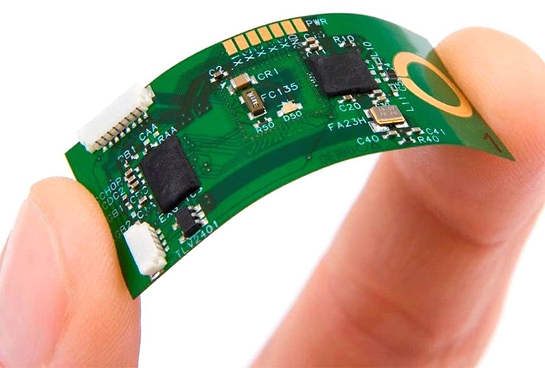
Table of Content
- Define static installation or dynamic flexing
- Give fabrication and assembly the same mechanical reference
- Every bare PCB receives flying-probe electrical testing
- From bare boards to genuine-component turnkey PCBA
- Nine PCBA quality stages with an agreed test scope
- Plan delivery from the complete release package
- Request a Flexible PCB review
- Flexible PCB questions
ORINEWPCB · FABRICATION TO TURNKEY ASSEMBLY
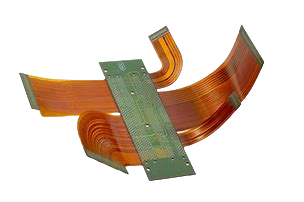
Flexible PCB manufacturing should begin with the installed shape and whether the circuit bends only during assembly or repeatedly in service. Send the mechanical constraints, bend zones and stack construction together with the electrical files. A flex circuit should not be specified only as a thin rigid PCB.
Define static installation or dynamic flexing
A flex circuit’s material system, copper, layer construction and mechanical use must work together. Polyimide-based constructions are common, but the required laminate, adhesive system and coverlay need to be identified for the project. There is no single bend radius or cycle-life promise that applies to every flex design.
On a small screen, swipe the table horizontally. Keyboard users can focus the table region and use the arrow keys.
| Decision | Send or confirm | Why it matters |
|---|---|---|
| Bending duty | Static installation or repeated motion, movement direction and expected use. | Dynamic flexing requires a design and verification plan matched to the application. |
| Bend geometry | Bend-zone drawing, installed envelope and mechanical restrictions. | Review copper routing, layer construction and features near the bend. |
| Coverlay and openings | Coverlay type, exposed pads, adhesive requirements and tolerances. | Opening and registration requirements affect component and connector interfaces. |
| Stiffeners | Locations, material, thickness and connector engagement requirements. | The assembled mechanical thickness may matter more than the nominal flex thickness. |
| Assembly support | Panelization, carriers, component locations and handling instructions. | Keep soldered parts and mechanical constraints consistent with the intended flexing. |
Give fabrication and assembly the same mechanical reference
A flat Gerber set does not fully explain the finished shape. Include a mechanical drawing showing the flex zones, stiffener boundaries, connector orientation and installed condition. Mark areas that must remain free of components or features because of bending or assembly access.
- Identify each bend zone and state whether bending is static or repeated.
- Supply the layer stack, coverlay and stiffener drawings with tolerances.
- Mark connector interfaces, contact orientation and critical thicknesses.
- For assembly, provide BOM, placement and carrier or handling requirements.
- Agree any bend-cycle or environmental qualification separately from electrical testing.
Every bare PCB receives flying-probe electrical testing
OrinewPCB flying-probe tests every bare PCB we manufacture, not just a sample. This checks the conductive networks against the electrical test data. Include your netlist where available and identify any required test parameters or records in the RFQ.
An electrical pass does not establish every physical characteristic, controlled impedance, RF performance, thermal reliability or finished-product function. Specify those requirements and any additional evidence separately. This keeps the acceptance scope clear before fabrication begins.
From bare boards to genuine-component turnkey PCBA
Keep the fabrication, BOM purchasing and assembly review connected when you need a finished assembly. Small-to-medium batches and high-mix turnkey PCB assembly are a particular OrinewPCB strength. List quantities and differences for each design or variant so the release is unambiguous.
We supply and use 100% brand-new, original, genuine electronic components for customers’ turnkey assemblies. Our cooperation with manufacturers and distributors helps us seek competitive BOM pricing and practical lead times. Exact MPNs, current availability, permitted sources and delivery dates are checked for your project; alternatives require customer approval.
Bare PCB supply
Release the fabrication data, quantity, acceptance scope and delivery needs.
BOM sourcing
Send full manufacturer part numbers, quantities, approved alternatives and documentation needs.
One-stop assembly
Combine fabrication, sourcing, assembly and the agreed inspection or test plan.
Explore one-stop PCB assembly, electronic component sourcing and the OrinewPCB brand website.
Nine PCBA quality stages with an agreed test scope
When the order includes assembly, our quality workflow covers nine stages. The applicable inspection plan and evidence are agreed for the actual build:
- IQC: incoming materials.
- SPI: solder paste inspection.
- Online AOI: in-line optical inspection.
- SMI: first-article inspection.
- IPQC: in-process quality checks.
- Offline AOI: post-solder optical inspection.
- X-ray: hidden joints to the agreed scope.
- Manual QC: workmanship review.
- Pre-shipment QA: identification, quantity and packaging.
These are nine quality stages, not nine functional tests. Programming, ICT, functional testing or application-specific validation need an agreed procedure, access or fixtures, and pass/fail criteria. See our factory and quality workflow.
Plan delivery from the complete release package
We work toward the earliest practical delivery for the approved scope. Send the required quantity, design variants and target date, and state whether it means production completion, dispatch or arrival. Materials, engineering questions, assembly preparation and agreed tests all affect the confirmed schedule.
Compare quotations using the same material, revision, sourcing responsibility and acceptance scope. A lower bare-board or placement line item is not automatically a lower complete project cost.
Related planning: Rigid-flex PCB construction · Prototype PCB evaluation · Turnkey project coordination.
Request a Flexible PCB review
Send OrinewPCB your files and tell us what you need: bare boards, BOM sourcing or a complete turnkey assembly. Files are optional for an initial discussion.
- Board files, drawing revision and special material or construction requirements
- Quantity per design or variant and repeat-order expectations
- BOM with full MPNs, placement and assembly drawings if assembly is needed
- Inspection, programming, functional-test and documentation requirements
- Target date, delivery destination and any staged shipment needs
For direct email: [email protected]. A quote request does not authorize purchasing, substitutions or production.
Flexible PCB questions
Can you specify one minimum bend radius for every flex PCB?
No. The acceptable bend depends on construction, thickness, copper, routing and the bending duty. Supply the mechanical requirements so the design and proposed stack can be reviewed together.
Does every flexible PCB support continuous movement?
No. A circuit intended for a one-time installation bend should not automatically be used for repeated motion. Dynamic flex applications need appropriate design and verification.
Does electrical testing establish flex fatigue life?
No. Electrical checks at fabrication do not establish lifetime under repeated bending. Define the motion, environment, acceptance criteria and any qualification procedure separately.
Related Posts

ORINEWPCB · PROJECT SUPPORT
Contact Us
Discuss your PCB assembly project with our team.
FREE QUOTE
Plan your turnkey PCBA build.
Share your quantity and requirements. Add Gerber files and a BOM when ready.
Files are optional for an initial discussion. Include any assembly, sourcing or testing requirements in your message.