
ORINEWPCB · ORIGINAL COMPONENTS & TURNKEY PCBA
Comparators — Component Sourcing
Source Comparators for your design or PCB assembly build. Send exact manufacturer part numbers and quantities to check our inventory and manufacturer or distribution-partner sourcing options.
100% new, original, genuine components. We supply only new, original, genuine materials to customers. The same commitment applies to components we supply for turnkey PCB assembly.
We seek competitive pricing and delivery options through our sourcing relationships. Confirm the exact part, available quantity, packaging and delivery date in your quotation. Catalog counts and listed quantities are not a live stock reservation.
Cannot find a part? Send the full part number or your BOM; the directory is not the limit of our sourcing service.
One part number or a complete BOM?
For individual parts, send the exact manufacturer part number, manufacturer, quantity and required date. For a BOM, include part numbers, quantities per board, reference designators and any approved alternatives.
Need the components assembled?
Keep the board files and BOM on one revision. Request PCB fabrication, sourcing and assembly together, with programming or functional testing defined for your build.
Browse Categories or Part Numbers.
Cannot find your part in the directory? Send the full part number or your BOM for review.
|
Images
|
Mfr.Part #
|
Listed Quantity*
|
Manufacturer
|
Description
|
Package
|
Quote |
|---|---|---|---|---|---|---|

|
LM193DRG4 | 57981 | Texas Instruments | IC COMPARATOR 2 DIFF 8SOIC | 8-SOIC (0.154", 3.90mm Width) | Get Quote |

|
MAX942ESA-T | 37964 | Analog Devices Inc./Maxim Integrated | IC COMPARATOR 2 GEN PUR 8SOIC | 8-SOIC (0.154", 3.90mm Width) | Get Quote |
|
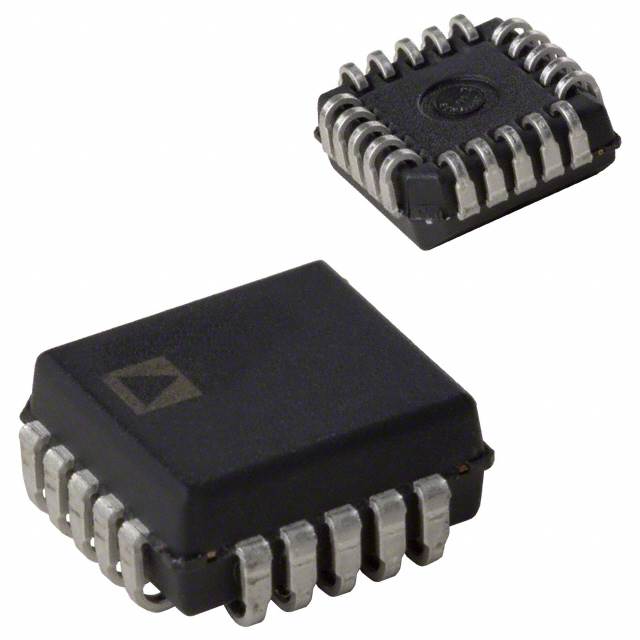
ADCMP565BP | 56249 | Analog Devices Inc. | IC COMPARATOR 2 W/LATCH 20PLCC | 20-LCC (J-Lead) | Get Quote |
|
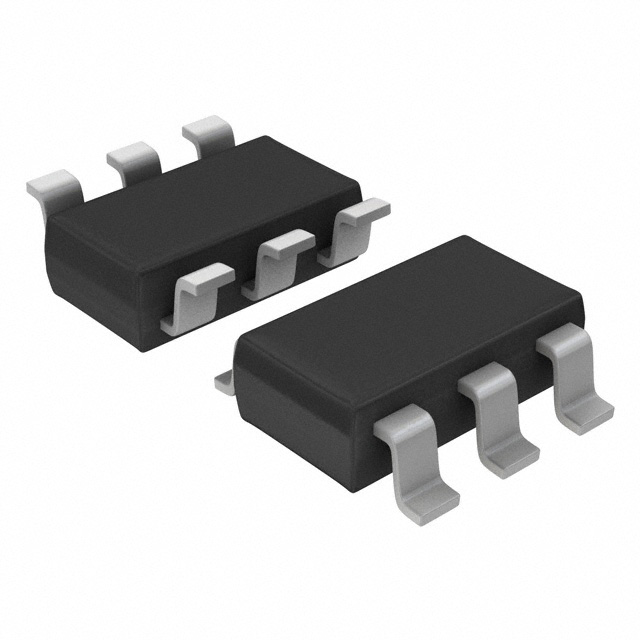
NCS2201SN1T1 | 11701 | onsemi | IC COMPARATOR 1 GEN PUR 6TSOP | SOT-23-6 Thin, TSOT-23-6 | Get Quote |

|
LM2901DTBR2 | 26471 | onsemi | IC COMPARATOR 4 GEN PUR 14TSSOP | 14-TSSOP (0.173", 4.40mm Width) | Get Quote |
|
|
MAX903ESA | 16616 | Analog Devices Inc./Maxim Integrated | IC COMPARATOR 1 W/LATCH 8SOIC | 8-SOIC (0.154", 3.90mm Width) | Get Quote |

|
NJM319M | 7739 | Nisshinbo Micro Devices Inc. | IC COMPARATOR 2 GEN PUR 14DMP | 14-SOIC (0.209", 5.30mm Width) | Get Quote |

|
NJU7102AD | 11669 | Nisshinbo Micro Devices Inc. | IC COMPARATOR 2 GEN PUR 8DIP | 8-DIP (0.300", 7.62mm) | Get Quote |

|
NCV2901DR2 | 40249 | onsemi | IC COMP QUAD SGL SUPPLY 14SOIC | Tape & Reel (TR) | Get Quote |
|
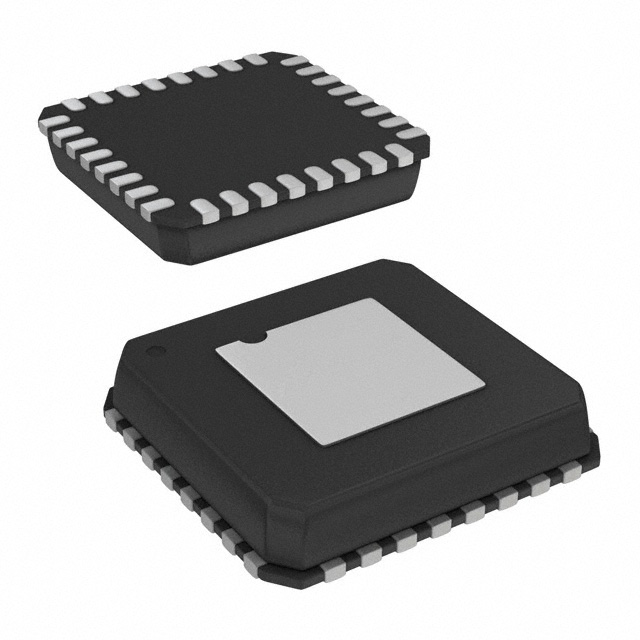
ADCMP567BCP | 49180 | Analog Devices Inc. | IC COMP DUAL ULTRA-FAST 32-LFCSP | Bulk | Get Quote |

*Listed quantities require confirmation for your request. Swipe the product table horizontally on small screens. Photos represent catalog entries; confirm exact package details in the manufacturer datasheet.
*Listed quantities are subject to confirmation. Catalog photos are representative; confirm the exact package and datasheet with your inquiry.
Start with the approved manufacturer part number and the actual build requirement. A category name or a similar-looking package is not enough to confirm an interchangeable part. On small screens, swipe the table horizontally. Review technical requirements against the current manufacturer datasheet before approval. Request pricing and delivery options · Explore our BOM sourcing service · Combine sourcing with turnkey PCB assembly Yes. OrinewPCB supplies only 100% new, original, genuine electronic components. We do not supply used, refurbished or remarked material. This commitment also covers the components we supply for customers’ turnkey PCB assembly builds. Yes. We work with component manufacturers and distribution partners to review sourcing options beyond our substantial inventory. Send the exact part number and quantity so pricing, availability and delivery can be confirmed for your request. Confirm the current available quantity, packaging, any date/lot requirements and delivery date in your quotation. Directory counts and listed quantities do not reserve material or confirm that every listed item is currently in our own warehouse. Yes. Send the BOM together with matching PCB design files and build quantity. State whether you need components only, partial turnkey or full turnkey PCB assembly, and identify programming and testing requirements. No. Proposed substitutes must be reviewed and approved by your team before they replace the released BOM. Tell us which lines cannot be substituted and which approved alternatives may be quoted.Prepare Comparators for a Useful Quotation
Quotation input What to provide Part identity Manufacturer and complete orderable part number, including suffixes. List approved alternatives separately. Category-specific checks Full ordering suffix, package and pinout; temperature grade, supply and interface requirements; moisture sensitivity and packaging conditions. Quantity and timing Required quantity, requested date and destination. For a BOM, include quantity per board and assembly build quantity. Packing and documentation Reel, cut tape, tray or other required format; specify date/lot conditions and supporting-document needs before ordering. Complete board build For turnkey PCBA, include the BOM revision, matching PCB files, placement data, assembly drawing and test requirements. Component Sourcing & Turnkey PCBA FAQ
Are the components new and original?
Can you source a part that is not in your own stock?
Does a listed quantity confirm immediate delivery?
Can I request a full BOM and finished PCB assemblies?
Will you change a part number without our approval?
PARTS, BOM OR COMPLETE PCBA
Request your component or BOM quote.
Tell us whether you need parts only or a finished PCB assembly. Availability, price, order quantity and delivery are confirmed for your specific request.
- Exact manufacturer part numbers and manufacturers
- Required quantity, target date and shipping destination
- BOM file and quantity per board for a complete build
- Approved alternatives and any parts that must not be substituted
- For turnkey PCBA: PCB files, placement data and test requirements
Proposed substitutions need your approval. Tell us about traceability, documentation or packaging requirements before purchasing is agreed.
Files are optional for an initial discussion. You can send the BOM by email if the uploader does not accept your file. An inquiry does not authorize purchasing or production.
Start with your requirements.
Email is required. Add “components only” or “full turnkey PCBA” in the service field.
