
|
Images
|
Mfr.Part #
|
In Stock
|
Manufacturer
|
Description
|
Package
|
|---|---|---|---|---|---|
|
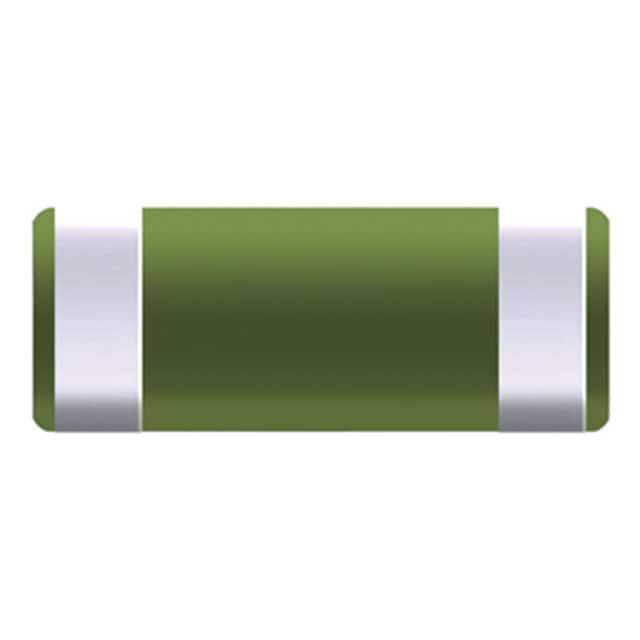
AWSZT-6.00CP-T4 | 12927 | Abracon LLC | CERAMIC RES 6.0000MHZ SMD | 2-SMD, Non-Standard |

|
RP1104 | 184172 | Murata Electronics | SAW RES 824.2500MHZ T/H | TO-205AD, TO-39-3 Metal Can |
|
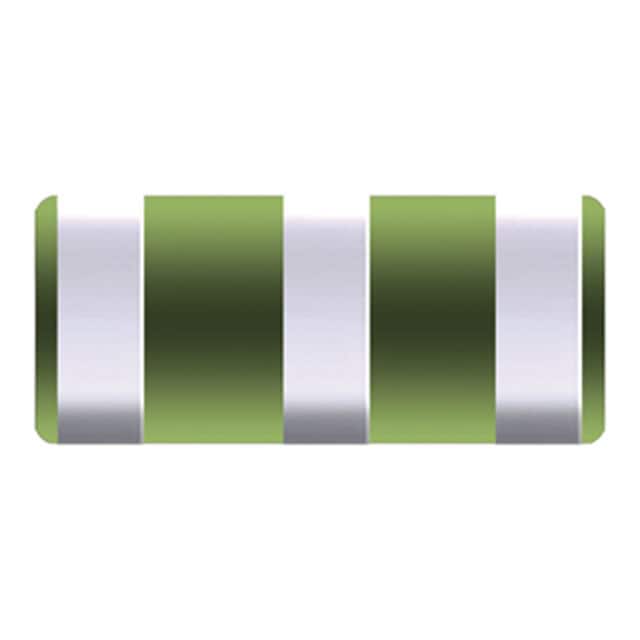
AWSCR-8.00CP-T4 | 462613 | Abracon LLC | CERAMIC RES 8.0000MHZ 30PF SMD | 3-SMD, Non-Standard |
|
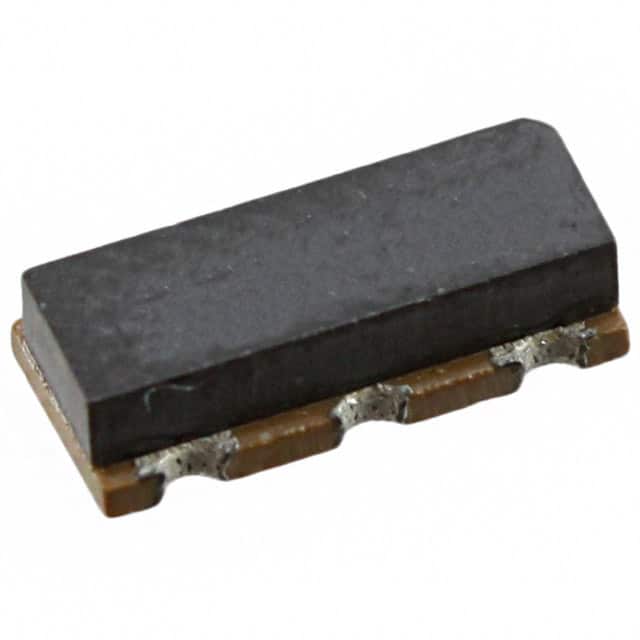
AWSCR-3.58MGD-T4 | 314502 | Abracon LLC | CERAMIC RES 3.5800MHZ 22PF SMD | 3-SMD, Non-Standard |
|
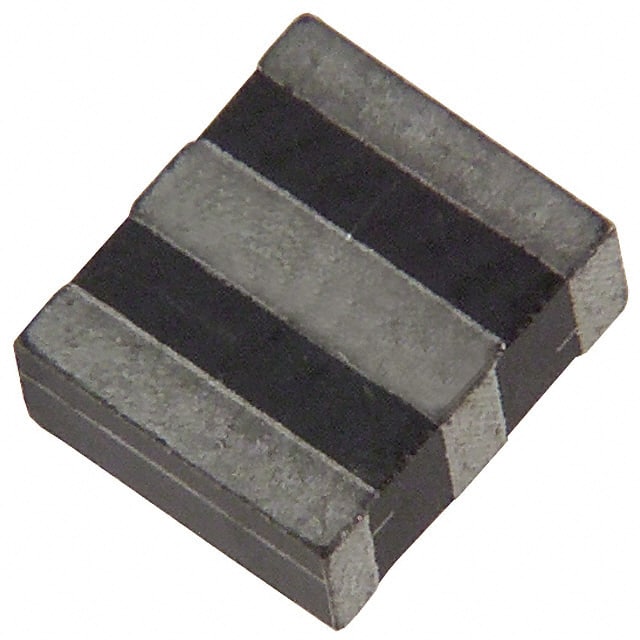
AWSCR-50.00MTD-T | 226133 | Abracon LLC | CERAMIC RES 50.0000MHZ 5PF SMD | 3-SMD, Non-Standard |
|
|
AWSCR-48.00MTD-T | 310673 | Abracon LLC | CERAMIC RES 48.0000MHZ 5PF SMD | 3-SMD, Non-Standard |
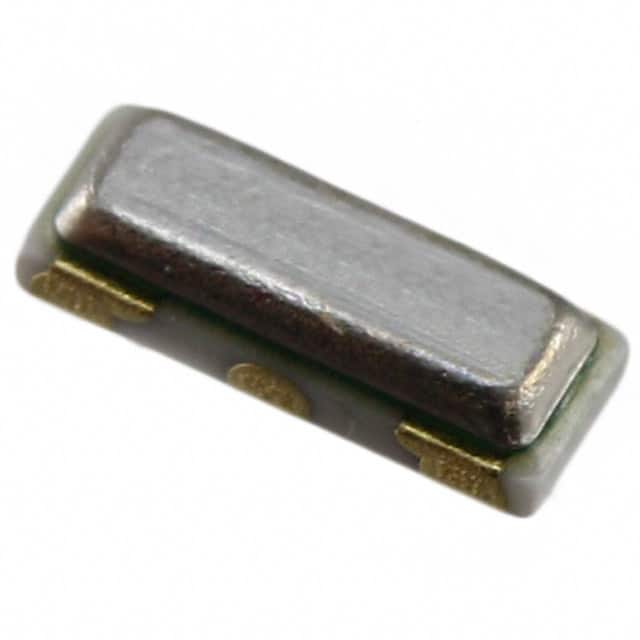
|
CSTCE12M0G15L99-R0 | 258234 | Murata Electronics | CERAMIC RES 12.0000MHZ 33PF SMD | 3-SMD, Non-Standard |
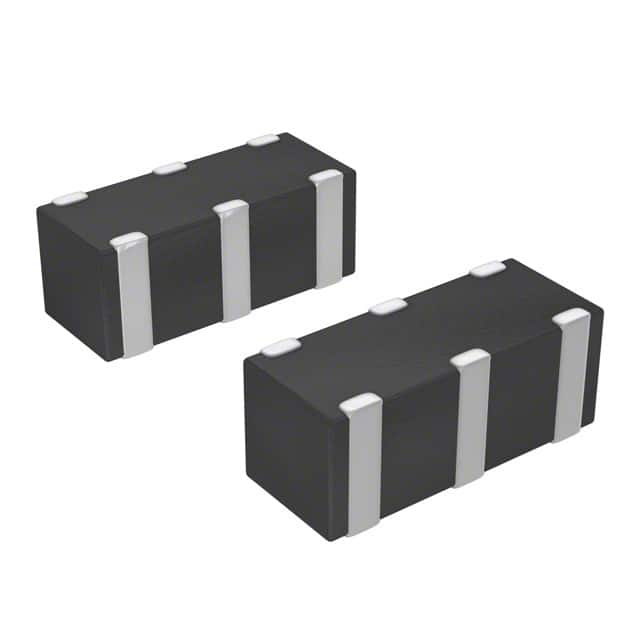
|
PRQC20.00SR1010V00L | 12407 | KYOCERA AVX | CERAMIC RES 20.0000MHZ 10PF SMD | 3-SMD, Non-Standard |
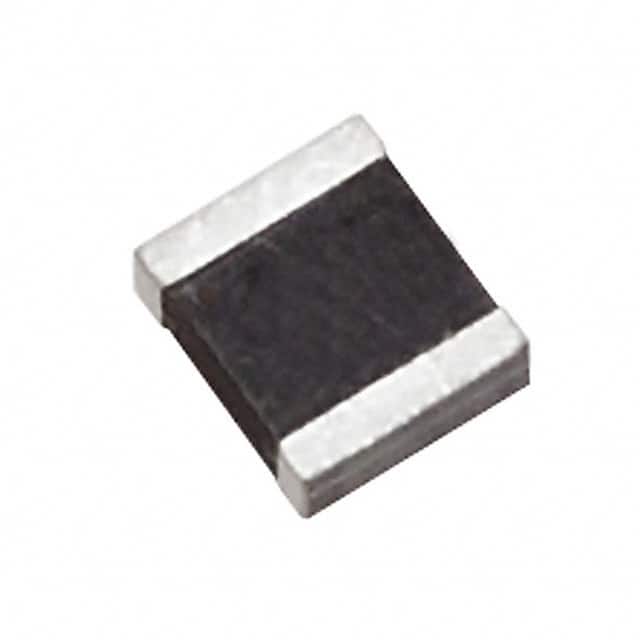
|
AWSZT-8.00MXD-T | 447283 | Abracon LLC | CERAMIC RES 8.0000MHZ SMD | 1916 (4741 Metric) |
|
|
AWSCR-32.00MTD-T | 396207 | Abracon LLC | CERAMIC RES 32.0000MHZ 5PF SMD | 3-SMD, Non-Standard |

Resonators
1. Resonators Overview
The resonator is a device used to store or limit electromagnetic/acoustic energy, and achieves frequency control or energy resonance through the piezoelectric effect (such as quartz or ceramic) or specific structural design (such as an intake system). The core function is to stabilize frequency output, reduce interference, and improve energy efficiency in specific scenarios. It is a passive electronic component, which is mainly divided into two categories:
Quartz Crystal Resonator
It uses the piezoelectric effect of quartz crystal to generate a high-precision resonant frequency, and the frequency stability is better than that of a ceramic resonator. Common packaging forms include DIP plug-in and SMD patch type.
Ceramic Resonator
It uses the piezoelectric effect of ceramic materials to achieve resonant frequency, which is low in cost but relatively weak in accuracy.
2. What are the Core Characteristics of Resonators?
Frequency Control
By adjusting the load capacitance or internal inductance/capacitance parameters, the operating frequency can be fine-tuned to near the nominal value.
Stability Parameters
Temperature frequency difference: the maximum allowable deviation value of the frequency within the operating temperature range (such as ±10 ppm); Aging rate: the long-term drift error of the frequency over time.
Impedance Characteristics
The load resonant resistance (RL) represents the equivalent resistance value when connected in series with the specified capacitor.
3. Difference between Resonators and Oscillators
Resonator: It needs to rely on an external circuit drive and only provides a frequency reference. It is a passive device.
Oscillator: It integrates amplification and feedback circuits and can directly output stable oscillation signals. It is an active device.
4. What are Resonators Used for?
Wireless Communication System: It is used for RF signal filtering and frequency selection.
Clock Circuit: Scenarios that require high-precision timing control, such as computer motherboards and microcontrollers (mainly quartz resonators).
Industrial Control: High-frequency noise suppression in filter circuits (such as resonant reactors).
Consumer Electronics: Ceramic resonators are often used in low-cost electronic devices (such as remote controls).
5. Selection and Use Precautions for Resonators
Load Matching: The load capacitance needs to match the circuit design to avoid frequency deviation.
Environmental Adaptability:
Quartz resonators need to pay attention to the temperature range (such as -40℃~85℃) and temperature compensation requirements;
Ceramic resonators need to prevent frequency drift caused by mechanical vibration.
Aging Effect: Long-term use requires a reserve of aging rate tolerance.
