
ORINEWPCB · COMPONENTS & TURNKEY PCBA
Terminals — Component Sourcing
Browse Terminals and send the exact manufacturer part number, required quantity and target date. For a complete board build, include your BOM and PCB files in a turnkey PCBA request.
Catalog entries and category counts do not confirm stock or delivery. Availability, pricing and any proposed alternatives are reviewed for your request.
One part number or a complete BOM?
For individual parts, send the exact manufacturer part number, manufacturer, quantity and required date. For a BOM, include part numbers, quantities per board, reference designators and any approved alternatives.
Need the components assembled?
Keep the board files and BOM on one revision. Request PCB fabrication, sourcing and assembly together, with programming or functional testing defined for your build.
Browse component categories.
Cannot find your part in the directory? Send the full part number or your BOM for review.
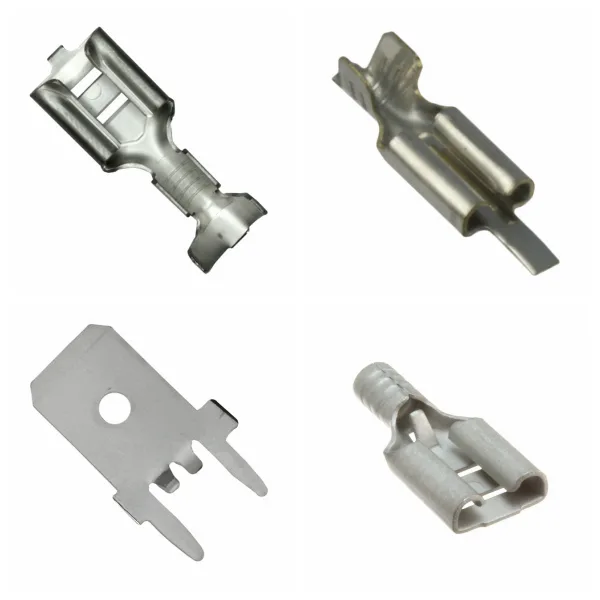
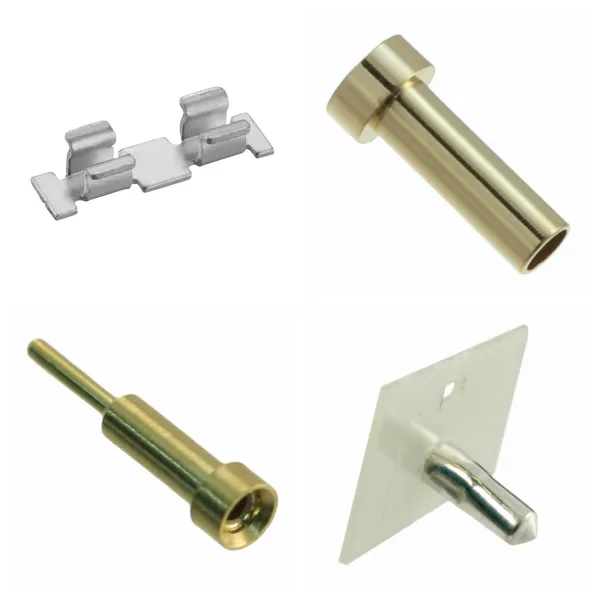
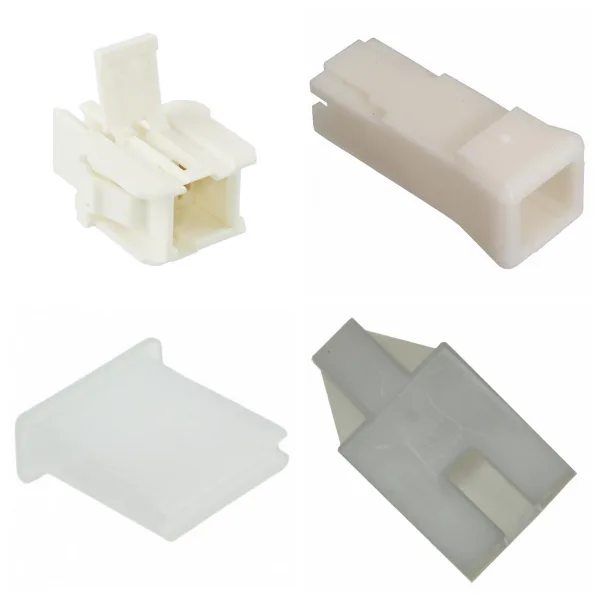
Terminals
Terminals are key connection units in electronic systems, combining functionality and engineering flexibility. Their design and application directly affect the reliability and maintenance efficiency of equipment.
1. What are the Core Functions of Terminals?
Electrical Connection Components: Terminal refers to the wiring terminal in the electrical system, which is used to achieve a stable connection between wires and between wires and equipment, and undertakes the function of electrical signal transmission or conduction.
Terminal Equipment Extension: In the computer field, Terminal also refers to the input and output devices connected to the computer, such as smart terminals (with processors) or dumb terminals (without processors).
2. What are the Types of Terminals?
1) Classification by Form
Terminals: Include single-hole, double-hole, sockets, hooks, and other types, which are commonly found in the electrical field and require screwdrivers and other tools to fix the wires.
Electrical Terminals: Used for impedance matching at the end of the transmission line (such as terminal resistance) to prevent distortion or power loss caused by signal reflection.
2) Classification by Material
Mainly made of metal, such as silver-plated copper, zinc-plated copper, aluminum, etc., taking into account conductivity and cost optimization.
3. What are Terminals Used for?
Industrial Circuits: Simplify equipment structure, reduce wiring complexity, and reduce production costs.
Communication System: As a transmission line terminal device (such as a coaxial cable terminator), ensure signal integrity.
Modular Design: Used in conjunction with connectors and plug-ins to achieve pluggable maintenance and expansion of equipment.
4. What are the Differences between Terminals and the other Components?
Relationship with Connectors: The terminal is the core component of the connector, usually wrapped by a plastic shell (Housing), and the metal terminal is responsible for conduction.
Difference from Connectors: Connectors focus on tool-free quick plugging and unplugging, and terminals need to be fixed by tools, mostly used in high-power scenarios.
5. Inspection and Selection of Terminals
Inspection Equipment: Commonly used tools microscopes and optical imagers ensure accuracy, and pay attention to parameters such as contact resistance and insulation resistance.
Selection Basis: Select materials (conductivity), structures (installation methods), and environmental adaptability (corrosion resistance, temperature range) based on actual needs.
PARTS, BOM OR COMPLETE PCBA
Request your component or BOM quote.
Tell us whether you need parts only or a finished PCB assembly. Availability, price, order quantity and delivery are confirmed for your specific request.
- Exact manufacturer part numbers and manufacturers
- Required quantity, target date and shipping destination
- BOM file and quantity per board for a complete build
- Approved alternatives and any parts that must not be substituted
- For turnkey PCBA: PCB files, placement data and test requirements
Proposed substitutions need your approval. Tell us about traceability, documentation or packaging requirements before purchasing is agreed.
Files are optional for an initial discussion. You can send the BOM by email if the uploader does not accept your file. An inquiry does not authorize purchasing or production.
Start with your requirements.
Email is required. Add “components only” or “full turnkey PCBA” in the service field.
